
Interview Feature
Insight into Africa: Finance, Compliance and Risk Management | Interview with Isabelle Lessedjina Part 1
Jul 24 · 6 min read
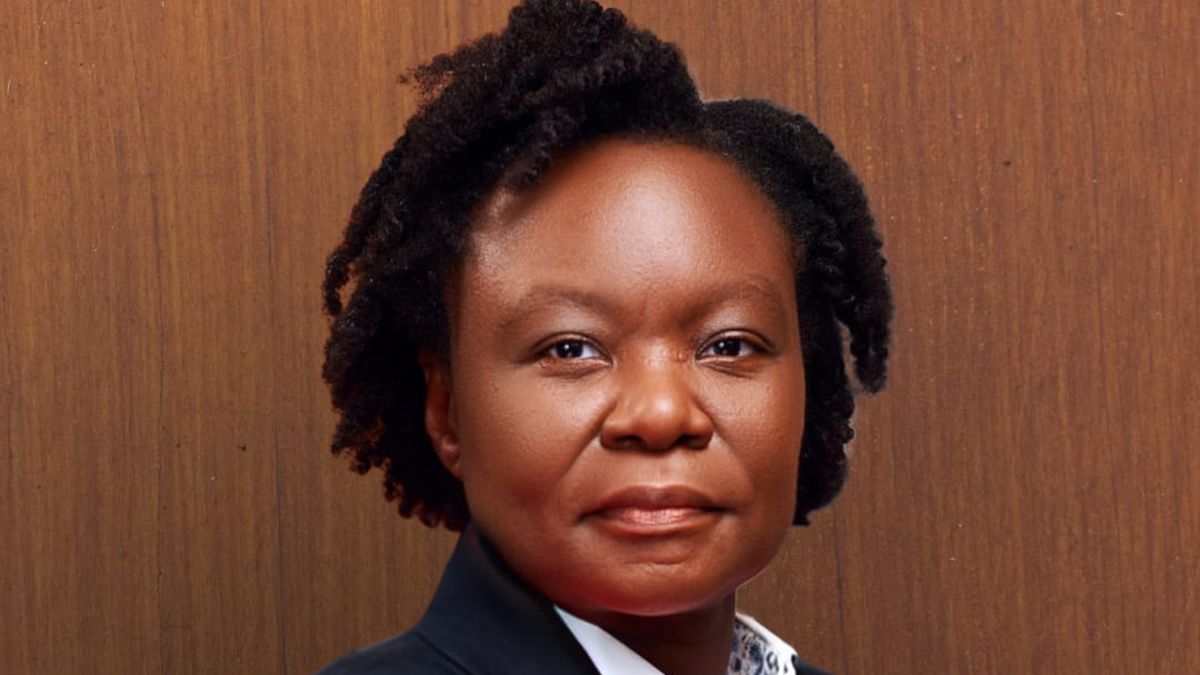
In light of the UN's International Day for Women and Girls of African Descent, JFourth is proud to feature our partner, Isabelle Lessedjina, the head of the Belgian consulting firm Aniz, and Chair of Rawbank in the Democratic Republic of the Congo (DRC).
In Part One of the feature, we discuss her extensive experience across the African financial sector, specific issues the region is facing and how it has embraced rapid changes in recent years.
In the second, we share details on the upcoming launch of the workshop Risk Management Toolkit: Compliance and Governance Essentials for Finance Professionals, developed in conjunction with Isabelle.
Possessing over two decades of experience across the financial landscapes of Europe, the Middle East and Africa, Isabelle's leadership engagements extend beyond the largest bank in the DRC to development finance networks and past board roles in tech startups. With a career spanning commercial banking, asset-backed financing, corporate treasury and development policy, her focus is on building bridges between governance and innovation. Ahead of JFourth and Aniz's upcoming workshop on governance and compliance for finance professionals in Africa, Isabelle offers valuable insights drawn from her extensive experience within the region.
Q: How would you describe yourself and the objective of your work?
A: "…An executive working on financing and governance solutions across EMEA. I'm passionate about building capacity—developing talents, [and] strengthening institutions in the financial sector while building ecosystems in emerging markets," states Isabelle.
Regarding her goal: "…to help create systems that are not just compliant, but resilient, thriving and adapted to local realities. I believe real impact happens when we bridge the gap and build at scale."
Q: How is the financial ecosystem in Africa different to that of other continents?
A: "Africa is fascinating in that it combines both rapid innovation and persistent structural challenges. In some places, mobile money and fintech have leapfrogged traditional banking, thanks to a young, mobile-native population," shares Isabelle.
"At the same time, financial inclusion remains limited, and access to long-term capital is still a major hurdle. You also see weaker regulatory enforcement in certain jurisdictions, and a large informal sector that complicates things further."
Regarding what makes Africa unique: "The sheer pace of demographic growth—it offers incredible potential, but also puts significant pressure on financial systems to evolve quickly and sustainably."
Second only to Asia in terms of size and population, every sub-region and country within the African continent brings its own set of dynamics. Isabelle describes the stark differences between jurisdictions:
"It is a highly fragmented landscape. Countries like South Africa, Nigeria, Kenya, and Morocco have more developed capital markets and regulatory systems. But in many others, banks and NBFIs are the main source of financing due to underdeveloped capital markets. There is also a wide range of regulatory maturity, levels of digitisation, and access to funding—so you can't treat Africa as a monolith."
Q: How has the African financial landscape changed in recent years?
A: There have been major changes, according to Isabelle.
"Fintech has exploded—not just in payments, but in credit, savings, and insurance…regulatory reform has picked up pace, focusing more on governance and consumer protection. We're also seeing increased regional banking activity—for example, Nigerian banks expanding into other African markets."
"ESG and sustainability are starting to gain traction," she continues. "And there's more collaboration now between traditional institutions and fintechs, which is exciting and complex to manage."
With rapid changes and observations of growing investor interest in the region, the article transitions to future outlook.
Q: What changes will we see in Africa from 2025 onward in terms of compliance and risk management?
A: "First, we'll see much stricter enforcement of compliance, risk, and audit rules—not just for banks and NBFIs, but for fintechs too," she says.
"Second, regional harmonisation of regulation will become more prominent—through the AfCFTA (African Continental Free Trade Area) or regional blocs like WAEMU (West African Economic and Monetary Union)."
"Third, central banks are increasingly exploring digital currencies…[which could] reshape payment systems. And finally, the talent gap in compliance, governance, and tech is both a risk and an opportunity. Institutions that invest in people will be better placed to grow responsibly."
Q: What challenges do you face while working within Africa?
A: "First, the limitations in resources and institutional capacity—especially in smaller markets or with newer players. And second, striking the right balance between international best practices and operational realities."
As Isabelle highlights: "It seems obvious but what works in New York, London or Paris doesn't always apply in Nairobi, Kuala Lumpur or Kinshasa, and vice versa."
Given the unique constraints of operating in the African market, solutions for the financial sector must address localised issues rather than forcing a blanket strategy. Also, clear shifts are present in the region's ecosystem, which continue to evolve. Isabelle's deep knowledge and extensive experience with global financial practices are driving factors behind the partnership and launch of a new workshop here at JFourth Solutions.
Stay tuned for Part Two, where we release more information on the workshop and how it aims to address the needs of finance professionals in this area.
Join JFourth's professional community here. Subscribe to our mailing list to receive curated insights on banking and compliance, business updates and ongoing networking opportunities. Discover more of our services here.